Choosing Balloon Rides in Eixample, Barcelona
Choosing a hot air flight near Pg. de Gràcia starts with a simple distinction: you are arranging an experience shaped by weather, meeting points, flight rules and timing, not just picking a name from a map. In Eixample, the city setting adds another layer. You need to know where the day begins, how you reach the launch area, and what happens if conditions change. Work through the decision in order, and each choice becomes easier to judge.
Set the kind of day you want first
Start with the experience itself. Some people want a calm flight over open countryside, while others care most about a clear city view, a quiet morning, or a route that fits around other plans. Balloons move with the wind, so the exact path is never fixed in the way a bus route or museum visit is. The useful question is not "Where will it go?" but "What sort of outing suits me if the route varies?"
Think about the pace of the whole day. Launch times are often tied to wind and light, so flexibility matters. If your schedule is packed with reservations, leave room for a delayed start or a revised meeting point. A flight that feels rushed before it begins rarely feels relaxing later.
Also decide who the day is for before comparing options. Age limits, height requirements, mobility needs and comfort with early starts can all affect the choice. When a detail like this matters to you, confirm it with whichever business you choose rather than assuming every arrangement is the same.
Check the local area and the meeting arrangements
Next, look at how the day fits around Eixample. Pg. de Gràcia is a busy urban corridor, and a city address does not mean the balloon leaves from that street. Clarify where participants gather, whether they travel onward to the launch site, and how that transfer works. A short city meeting point can still lead to a rural takeoff, so the practical question is the full route from your starting point to the basket.
Use a map with care. Distances in Barcelona can look small on screen yet feel longer with traffic, narrow pavements, metro changes or luggage. If you are staying nearby, check the walk to the meeting point. If you are arriving from elsewhere in the city, check the first and last leg of the journey in daylight, especially if the start is before sunrise.
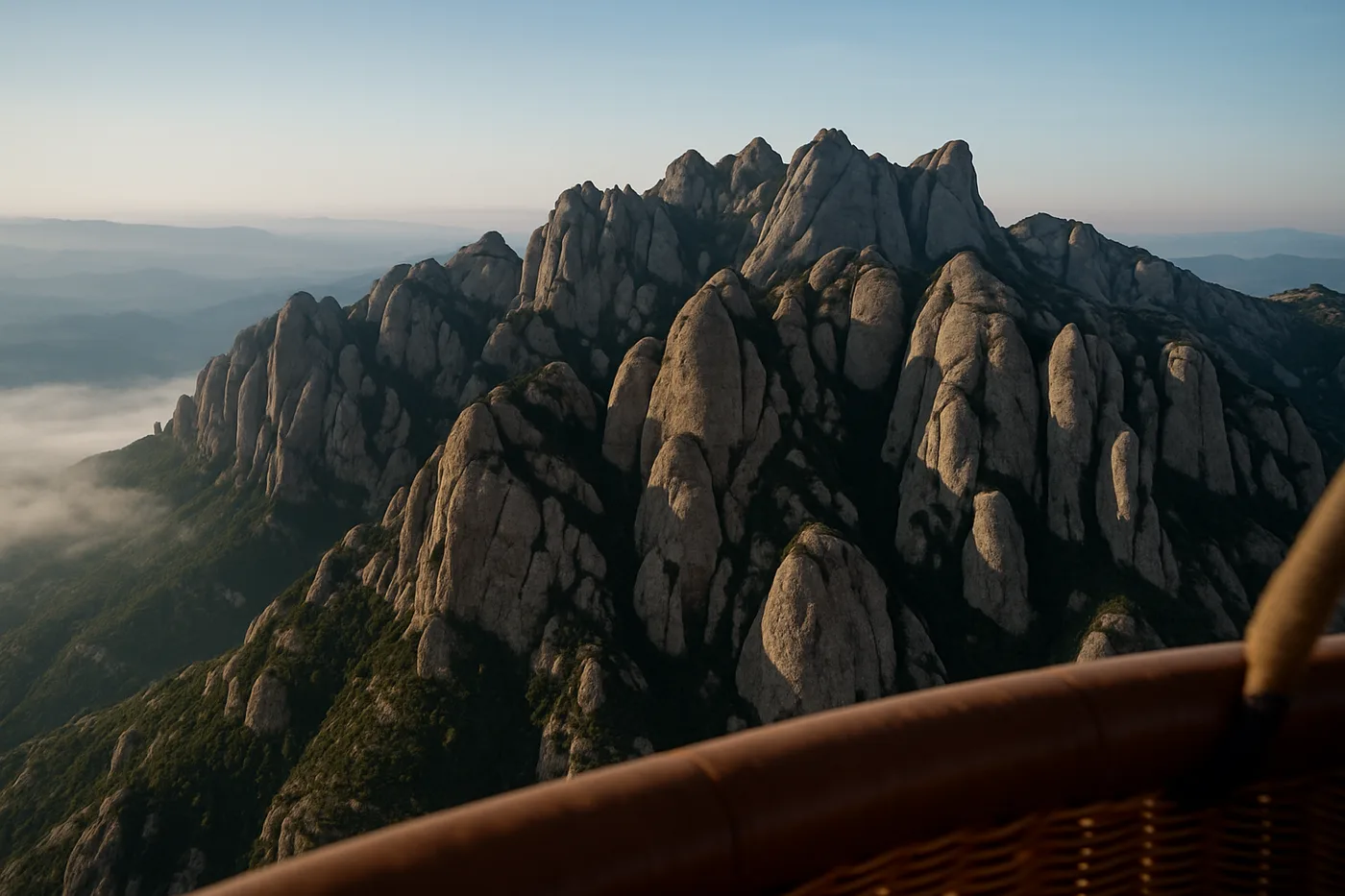
One local option is Hot Air Balloon Barcelona. If a name like that appears while you search, treat it as a starting point for checking the wider field of ballooning barcelona rather than a reason to stop comparing. The better comparison is between clear arrangements: where to meet, what is included in the day, how long the whole experience lasts, and what support exists if weather interrupts the plan.
Read the weather terms closely
Weather is the central decision point in ballooning. Safe flight depends on suitable wind, visibility and rain, and conditions can change close to the day. A responsible operator will talk about weather as a normal part of planning, not as an awkward afterthought. Look for plain information about what happens if a flight is postponed, moved or called off.
Watch for vague language. Phrases that imply a flight will go ahead "whatever the weather" deserve caution. So do promises of an exact route, exact altitude or exact landing spot. Wind decides those details. What a good plan can explain is the process: when the decision is made, how participants are told, and what choices are available if the day changes.
Season also shapes what you should expect. Mornings and evenings can feel different, and open land outside the city may be cooler than the streets of Eixample. Dress in layers, choose shoes you can walk in, and avoid treating the flight like a static viewpoint. You may stand for a while before launch and after landing, and the ground can be uneven.
Compare safety information without guessing
Safety checks are not a place for shortcuts. When comparing balloon experiences, look for clear explanations of pilot qualifications, maintenance standards, passenger briefings and insurance. These details should be stated in ordinary language. If something is unclear, ask before paying. A confident answer should explain the process without dismissing the question.
Be wary of any plan that asks passengers to take part in technical tasks. You do not need to handle equipment, ties, burners, fuel systems or controls. Your role is to listen to the briefing, follow instructions, and ask if something is unclear. Ballooning is a specialist activity, and the flight preparation belongs with qualified professionals.
It is also wise to check what the briefing covers. A useful briefing explains boarding, body position during takeoff and landing, what to do if the basket tilts, and where to stand after landing. It should also say what passengers should leave behind or secure. Phones and cameras can slip from hands, so use a wrist strap or keep small items packed until the basket is steady.
Understand the full time commitment
Many first-time flyers think of the flight as the whole booking. In practice, the flight is only one part. Allow time for arrival, check-in, briefing, transfer if needed, waiting for launch conditions, the flight itself, landing, and the return journey. The airborne portion may be short compared with the full outing, so choose based on the entire experience rather than one headline detail.
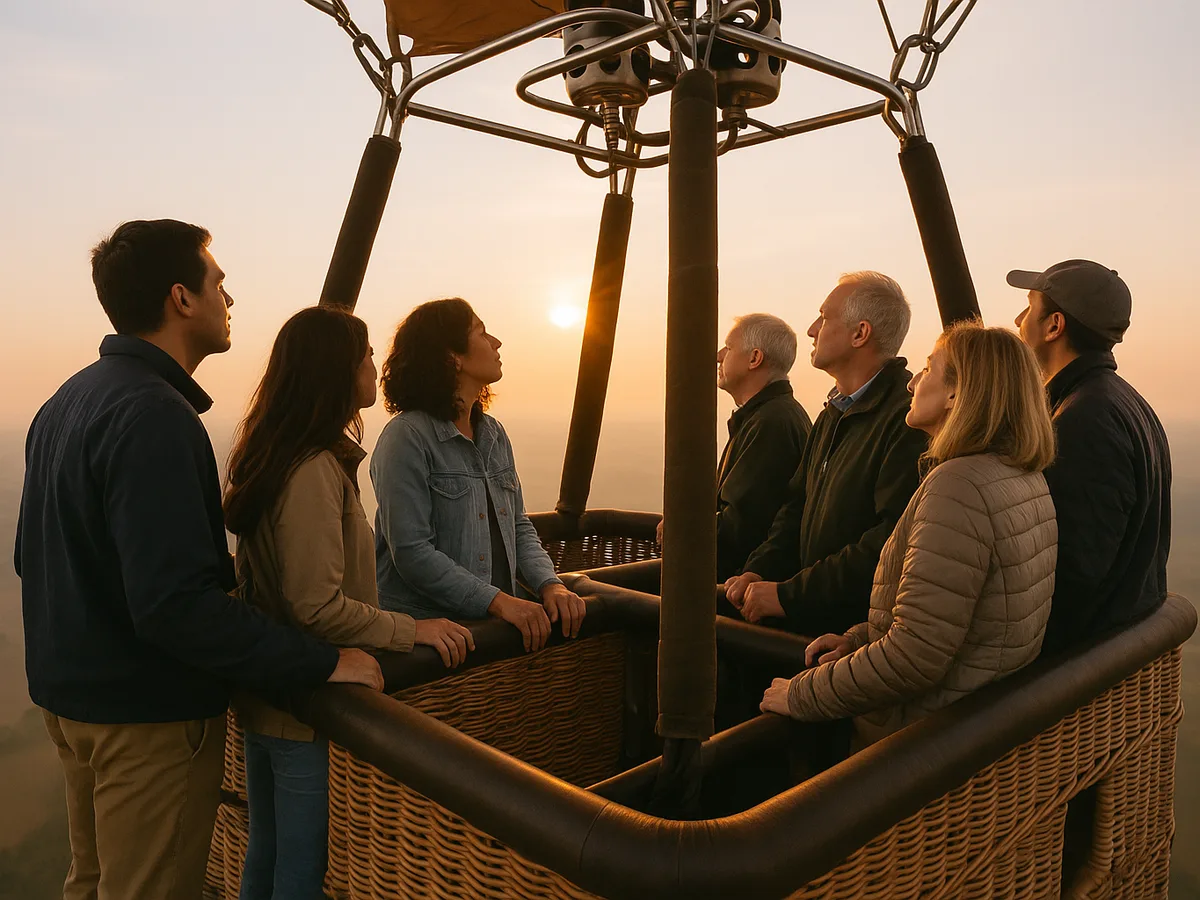
For a central base such as Eixample, the return journey deserves the same attention as the start. If the landing area varies, find out how people get back. Some plans use transport, while others expect participants to make their own way from a drop-off point. Neither is automatically better, but the difference matters if you have limited time, children, mobility needs or an early evening commitment.
If you are weighing several choices, write the day in a simple timeline. Include your departure from your hotel, the meeting time, the estimated transfer, the briefing, the flight and the return. Gaps in that timeline are the questions to ask. This is where ballooning barcelona stops being a vague idea and becomes a plan you can actually follow.
Look at value, not just the headline offer
Price matters, but it should be read alongside what the day includes. Compare whether transport, briefing, flight time, landing arrangements and any after-flight details are part of the same plan. A lower headline figure can be less useful if key parts cost extra or require independent organisation. A higher figure is not better by default either. The point is to know what you are buying.
Read cancellation and rescheduling terms with the same care. Because weather can alter plans, a fair policy should be easy to understand. Check what counts as a cancellation, how notice is given, and what options are offered when the operator decides conditions are unsuitable. Avoid guessing at these points. Confirm them with whichever business you choose.
Reviews can help with patterns, though they should be read with judgment. Look for repeated comments about organisation, communication, briefings and punctuality rather than one dramatic account. Pay attention to how concerns were handled. A calm, clear response to a disrupted day can tell you more than a stream of perfect conditions.
Ask focused questions before you commit
Once you have narrowed the field, ask a few precise questions. Keep them practical and easy to answer. The aim is to remove uncertainty, not to interrogate anyone.
- Where exactly should participants meet, and how is the launch site reached?
- What is included in the full outing, from briefing to return?
- How are weather changes communicated, and what happens if the flight cannot run?
- What briefing and safety standards should passengers expect?
- Are there age, health, mobility or clothing requirements to confirm in advance?
The answers should help you compare like with like. If one option gives clear answers and another relies on charm or vague reassurance, that difference is useful. A good choice should leave you knowing what to do on the day, what cannot be controlled, and who makes decisions when conditions shift.

Make the final choice with clear expectations
By this stage, the right option should feel practical rather than mysterious. Pick the arrangement that fits your schedule, explains the weather process, gives a sensible meeting plan near your part of Barcelona, and treats safety as a serious professional matter. The best flight day is usually the one where the ordinary details have already been settled.
Local businesses such as Hot Air Balloon Barcelona may appear among the options. Keep the comparison grounded in the points above, and confirm any missing detail with whichever business you choose. With the logistics clear, you can enjoy the unusual part: seeing the city and surrounding landscape from a perspective that changes with the wind.
Hot Air Balloon Barcelona is at Pg. de Gràcia, 70, Eixample, 08007 Barcelona, Spain. The phone number is +34 632 93 79 41.